link
 
SEARCH
suomeksi in English
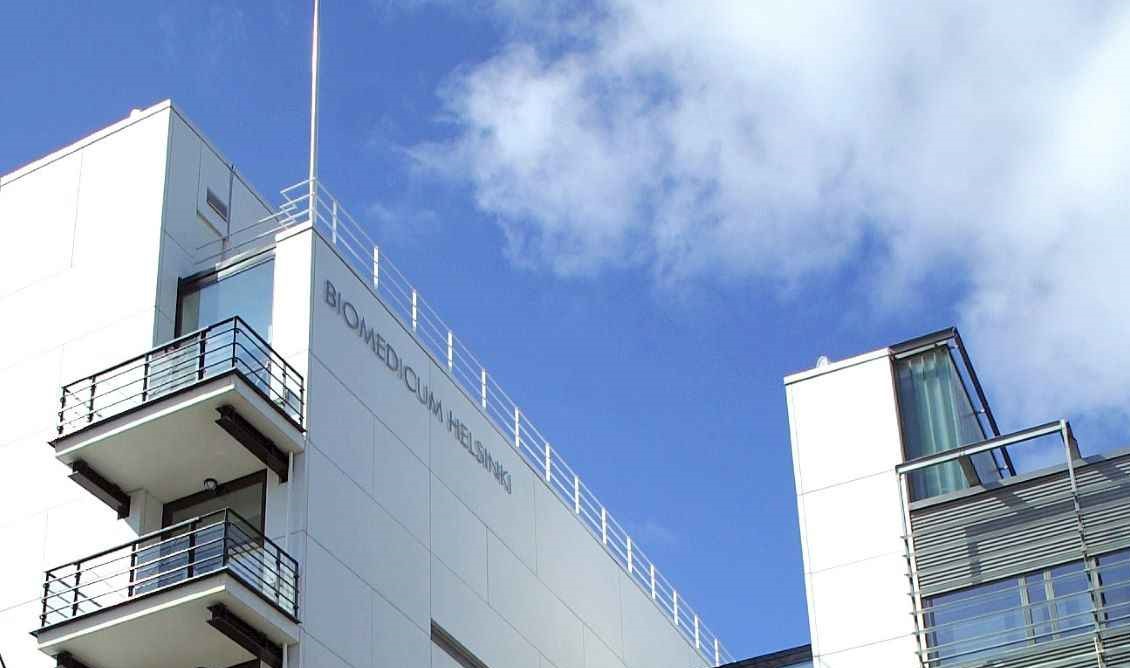
Biomedicum Helsinki 1 Haartmaninkatu 8
FI-00290 Helsinki, Finland

Biomedicum Helsinki 2 Tukholmankatu 8
FI-00290 Helsinki, Finland

tel. +358 9 1911 / +358 9 4711
 
© 2013 Biomedicum Helsinki Foundation


The Main Principles of Writing a Will

THE BIOMEDICUM HELSINKI FOUNDATION ACCEPTS TESTAMENTORY LEGACIES

A Legacy Is a Sensible Inheritance

By drawing up a will, a person can determine the division of his/her estate after death. The will can also apply only to a portion of the estate, in which case it is called a legacy of particular inheritance. According to law, the person who has drawn up the will must understand the importance and significance of the legacy.

A person can leave a will of his or her estate to anyone. The legation can be a natural person or an artificial person e.g. registered organizations and foundations.

If a person has no descendants who have the right to his or her inheritance and he or she has not drawn up a will, that person's estate goes to the state.

The Statutory Position of a Direct Heir

Primarily, direct heirs inherit a deceased person's estate. Direct heirs are children and grandchildren. Direct heirs always have the right to the statutory portion of the estate, which is half of the share of the estate.

The Secondary Right of Inheritance

Couples, who do not have children, inherit each other's estates. A widow or a widower may not, however, leave a will for property which he or she has inherited from his or her spouse if the deceased person's father, mother, brother, sister or their descendants are alive. These persons are secondary heirs and have the right to inherit half of the widow's or widower's estate.

Directions of the Will

A person above the age of 18 can draw up a will. A person under the age of 18 can draw up a will if he or she is or has been married. Also, a person under the age of 15 can bequeath property he or she has earned with his or her own work.

The will is drawn up in written form. It is signed in the presence of two witnesses with legal capacity. A spouse, close relative or brother-in-law cannot act as a witness. The witnesses are not required to know the contents of the will, but they are required to know that the document in question is a will.

A Last Will Drawn Up In an Emergency

Sometimes, due to illness or some other cogent reason, a person may not be able to draw up a will as directed by law. In such a case, that person may draw up a will orally in the presence of two witnesses or literally by personally writing and signing the will.  

A will drawn up in an emergency is valid for only three months after the emergency is over, after which a new will meeting all the directions of a will must be drawn up.

How to Revoke a Will

A will can be revoked at any time by the person who has drawn up the will, thus a will is not forever binding. It can be revoked in the same way it was drawn up, by destroying it or by otherwise clearly stating that the contents of the will do not express a person's last will. The last legacy nullifies the previous ones.

A Legacy of Particular Inheritance

A legacy directs particular shares of property to several legations. The shares of property may include e.g. estates, stocks and bonds, sums of money, bank account savings or works of art.

A Legacy With Title of Possession or Ownership

The legation of a legacy with title of ownership has the right to freely use up his or her inheritance. The legation of a legacy with title of possession does not own his or her inheritance, but he or she does have the right to manage it and receive its profits.

When the person who has drawn up a legacy with title of possession dies, the ownership of the legacy is given to the legation. If no legation has been stated, the ownership goes to the deceased person's heirs. Thus, a person's estate can have one person's possession and another person's ownership at the same time.

The law regulates divided titles of legacies. The person with title of possession must take the owner's interests into account. The owner, on the other hand, must not donate or pawn the property without the consent of the person with title of possession.

Serving a Notice or Contesting the Will

The receiver of the will notifies the heirs either via a bailiff or otherwise provably. The heirs must receive a certified copy of the will.

If the will is to be contested, it must be done within six months of serving the notice.

Legacy Duty

A charitable organization, such as a foundation, is not required to pay a legacy duty for an estate that it has received through a legacy.

Where to Store a Will

A person drawing up a will does not have to disclose its contents to anyone. Should the person wish to do so, he or she can inform the legation about the will.

It is very important that the will is stored so that it can be found after the person's death, and that the heirs can be informed about the will's contents.

The will can also be given to the legation or executor to be stored. It is important that the existence of the will is known.

Where to Get Assistance For Drawing Up a Will

The text of the will can be short, but it must clearly state your last will. By consulting a lawyer you can be sure that your last will is executed without misunderstandings, if you e.g. feel insecure, things seem complicated, you would like to deviate from the statutory order of succession, you are unsure who the legation of your will is, or you would like to draw up a will for your estate or a portion of the estate. The lawyers at the Helsinki University Central Hospital are happy to help you and give you advice on such matters.

Support for Medical Research Is Becoming Increasingly More Important

As society is constantly decreasing its support on medical research, funding from private persons and businesses is becoming increasingly more important for the Foundation.

More information about testamentary legacies can be obtained
by calling tel. (09) 471 71704 or by writing to the Biomedicum Helsinki Foundation, P.O. Box 700, 00029 HUS.

The Biomedicum Helsinki Foundation
Authorization for fund raising: OKU1880A /ESLH
Time and location:
December 13, 2006 to December 12, 2008, the entire country (not including Ahvenanmaa)
Purpose:
Research grants
Development of the research environment of Biomedicum Helsinki

The Main Principles of Writing a Will

THE BIOMEDICUM HELSINKI FOUNDATION ACCEPTS TESTAMENTORY LEGACIES

A Legacy Is a Sensible Inheritance

By drawing up a will, a person can determine the division of his/her estate after death. The will can also apply only to a portion of the estate, in which case it is called a legacy of particular inheritance. According to law, the person who has drawn up the will must understand the importance and significance of the legacy.

A person can leave a will of his or her estate to anyone. The legation can be a natural person or an artificial person e.g. registered organizations and foundations.

If a person has no descendants who have the right to his or her inheritance and he or she has not drawn up a will, that person's estate goes to the state.

The Statutory Position of a Direct Heir

Primarily, direct heirs inherit a deceased person's estate. Direct heirs are children and grandchildren. Direct heirs always have the right to the statutory portion of the estate, which is half of the share of the estate.

The Secondary Right of Inheritance

Couples, who do not have children, inherit each other's estates. A widow or a widower may not, however, leave a will for property which he or she has inherited from his or her spouse if the deceased person's father, mother, brother, sister or their descendants are alive. These persons are secondary heirs and have the right to inherit half of the widow's or widower's estate.

Directions of the Will

A person above the age of 18 can draw up a will. A person under the age of 18 can draw up a will if he or she is or has been married. Also, a person under the age of 15 can bequeath property he or she has earned with his or her own work.

The will is drawn up in written form. It is signed in the presence of two witnesses with legal capacity. A spouse, close relative or brother-in-law cannot act as a witness. The witnesses are not required to know the contents of the will, but they are required to know that the document in question is a will.

A Last Will Drawn Up In an Emergency

Sometimes, due to illness or some other cogent reason, a person may not be able to draw up a will as directed by law. In such a case, that person may draw up a will orally in the presence of two witnesses or literally by personally writing and signing the will.  

A will drawn up in an emergency is valid for only three months after the emergency is over, after which a new will meeting all the directions of a will must be drawn up.

How to Revoke a Will

A will can be revoked at any time by the person who has drawn up the will, thus a will is not forever binding. It can be revoked in the same way it was drawn up, by destroying it or by otherwise clearly stating that the contents of the will do not express a person's last will. The last legacy nullifies the previous ones.

A Legacy of Particular Inheritance

A legacy directs particular shares of property to several legations. The shares of property may include e.g. estates, stocks and bonds, sums of money, bank account savings or works of art.

A Legacy With Title of Possession or Ownership

The legation of a legacy with title of ownership has the right to freely use up his or her inheritance. The legation of a legacy with title of possession does not own his or her inheritance, but he or she does have the right to manage it and receive its profits.

When the person who has drawn up a legacy with title of possession dies, the ownership of the legacy is given to the legation. If no legation has been stated, the ownership goes to the deceased person's heirs. Thus, a person's estate can have one person's possession and another person's ownership at the same time.

The law regulates divided titles of legacies. The person with title of possession must take the owner's interests into account. The owner, on the other hand, must not donate or pawn the property without the consent of the person with title of possession.

Serving a Notice or Contesting the Will

The receiver of the will notifies the heirs either via a bailiff or otherwise provably. The heirs must receive a certified copy of the will.

If the will is to be contested, it must be done within six months of serving the notice.

Legacy Duty

A charitable organization, such as a foundation, is not required to pay a legacy duty for an estate that it has received through a legacy.

Where to Store a Will

A person drawing up a will does not have to disclose its contents to anyone. Should the person wish to do so, he or she can inform the legation about the will.

It is very important that the will is stored so that it can be found after the person's death, and that the heirs can be informed about the will's contents.

The will can also be given to the legation or executor to be stored. It is important that the existence of the will is known.

Where to Get Assistance For Drawing Up a Will

The text of the will can be short, but it must clearly state your last will. By consulting a lawyer you can be sure that your last will is executed without misunderstandings, if you e.g. feel insecure, things seem complicated, you would like to deviate from the statutory order of succession, you are unsure who the legation of your will is, or you would like to draw up a will for your estate or a portion of the estate. The lawyers at the Helsinki University Central Hospital are happy to help you and give you advice on such matters.

Support for Medical Research Is Becoming Increasingly More Important

As society is constantly decreasing its support on medical research, funding from private persons and businesses is becoming increasingly more important for the Foundation.

More information about testamentary legacies can be obtained
by calling tel. (09) 471 71704 or by writing to the Biomedicum Helsinki Foundation, P.O. Box 700, 00029 HUS.

The Biomedicum Helsinki Foundation
Authorization for fund raising: OKU1880A /ESLH
Time and location:
December 13, 2006 to December 12, 2008, the entire country (not including Ahvenanmaa)
Purpose:
Research grants
Development of the research environment of Biomedicum Helsinki